
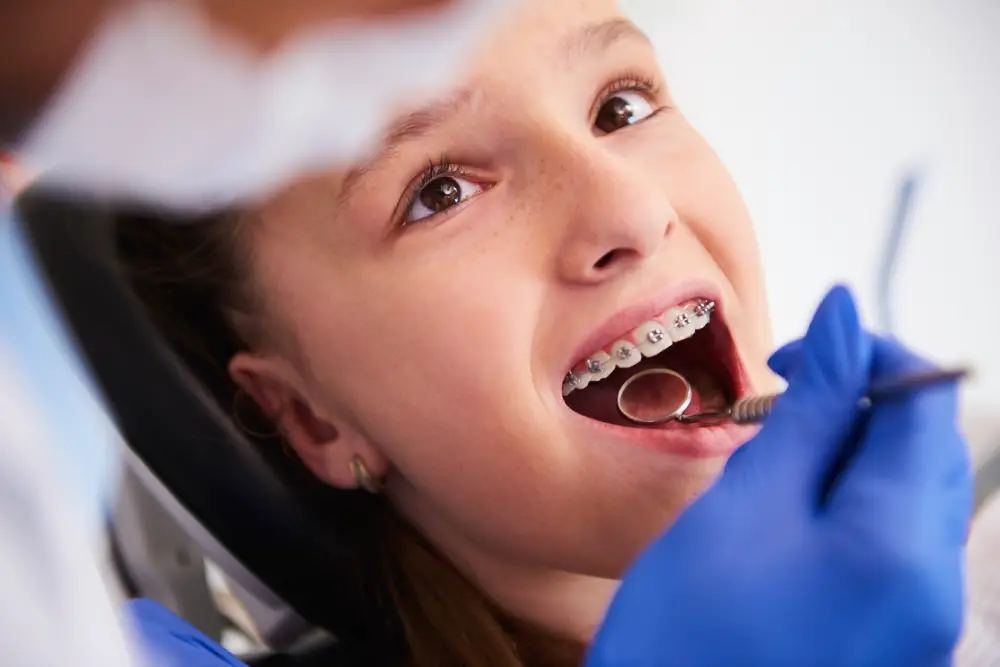
When it comes to achieving a beautiful, confident smile, orthodontic braces play a pivotal role. The journey to straighter teeth often begins with a visit to an expert provider of orthodontic braces services. These services involve a detailed process designed to gently move your teeth into their ideal alignment over time. Understanding how orthodontic braces work can demystify the treatment and empower you to take the best steps toward improving your oral health and smile aesthetics.
What Are Orthodontic Braces?
Simply put, orthodontic braces are dental devices used to correct the alignment of teeth and jaws. They are most commonly made up of several parts: brackets, archwires, and ligatures (small elastic bands or ties). Orthodontic braces services near me typically involve the precise placement and adjustment of these components to gradually move teeth into healthier and more functional positions.
Brackets are small squares bonded directly to each tooth’s surface using a special adhesive. Archwires run through the brackets and act as a track, guiding teeth into the desired position. Ligatures or elastic bands secure the archwire to the brackets, allowing the system to apply steady pressure.
How Do Orthodontic Braces Correct Your Smile?
The key to how orthodontic braces work lies in the application of continuous, gentle pressure. When this pressure is applied over weeks and months, your teeth begin to shift. This process isn’t just about moving teeth but involves the biological remodeling of the bone around each tooth.
Each tooth is anchored into your jawbone with roots surrounded by a soft tissue called the periodontal ligament. This ligament has elasticity, allowing the tooth to move slightly when pushed or pulled. When braces apply pressure, they compress the ligament on one side and stretch it on the other. This signals your body to break down bone cells on the compressed side and build new bone on the stretched side, allowing your teeth to “move” safely and securely within the jaw.
The result is a gradual but effective realignment of teeth and jaws into more balanced positions, improving both function and appearance.
The Orthodontic Braces Services Process
If you are considering orthodontic braces services, here is what you can typically expect during your treatment:
- Initial Consultation: The orthodontist evaluates your bite, takes X-rays, photographs, and impressions of your teeth to design a personalized treatment plan.
- Placement of Braces: Brackets are glued onto your teeth, and archwires are threaded through. This step usually takes about 1-2 hours.
- Regular Adjustments: Every few weeks, you will visit the orthodontist to have your braces adjusted. The archwire may be changed or tightened to continue encouraging tooth movement.
- Additional Appliances: Sometimes, other orthodontic tools like bands, elastics, or even mini-implants are used to help correct bite issues or create space.
- Retention Phase: After the braces are removed, retainers help maintain your new smile by preventing teeth from shifting back.
Types of Orthodontic Braces
Orthodontic braces come in several varieties, depending on your needs and aesthetic preferences. The standard option is metal braces, made from stainless steel, which are durable and effective. For a more discreet look, ceramic braces use tooth-colored or clear brackets that blend with your teeth. There are also lingual braces, attached behind the teeth, making them nearly invisible.
Every form works on the same principle of exerting pressure, but the choice depends on personal taste, budget, and treatment goals. Your orthodontist will recommend the most suitable option as part of the orthodontic braces services they provide.
Common Misconceptions About Orthodontic Braces
Many people hesitate to pursue braces due to misconceptions. Here are a few truths to set your mind at ease:
- Braces are painful: You may feel some soreness or pressure after an adjustment, but the process should not be painful. Most patients adapt quickly.
- Only teens get braces: Adults can benefit hugely from orthodontic braces services — it’s never too late to improve your smile.
- Braces take forever: Treatment times typically range from 12 to 36 months, depending on needs. Regular orthodontic visits keep progress on track.
Benefits Beyond Aesthetics
While the most visible advantage of braces is a straighter smile, they offer significant health benefits too. Correcting bite issues can improve chewing efficiency, prevent excessive wear on certain teeth, and reduce risks of jaw pain and temporomandibular joint disorders (TMJ). Plus, properly aligned teeth are easier to clean, which helps prevent cavities and gum disease.
How to Care for Your Braces
Good oral hygiene is crucial during orthodontic treatment. Brackets and wires create places for food and plaque to collect, increasing the risk of cavities and staining. Brushing carefully twice a day and flossing daily, sometimes with special floss threaders, will keep your mouth healthy. Avoid sticky and hard foods that can damage brackets or wires.
Your orthodontist providing orthodontic braces services will guide you on the best care practices and monitor your oral health regularly during treatment.
Learning about orthodontic braces and the comprehensive orthodontic braces services available can give you the confidence to begin an exciting journey toward a healthier, straighter smile. With steady, gentle pressure and expert care, braces can transform not only the look of your teeth but also improve your overall oral health for years to come.
Minga Orthodontics
3769 Columbus Pike Suite 100, Delaware, OH 43015, United States
(740) 573-5007